A PARENT'S GUIDE TO ACL RECOVERY.

Your child just tore their ACL. You're scared, they're devastated, and the internet is giving you fifty different answers. Here is what matters.

When your child tears their ACL, everything changes in an instant. The season is over. The scholarship conversation shifts. And your kid, who was running full speed yesterday, is suddenly on crutches, dealing with feelings they have never had to deal with before. As a parent, you feel it twice: their pain, and your own helplessness watching it.

Work with us
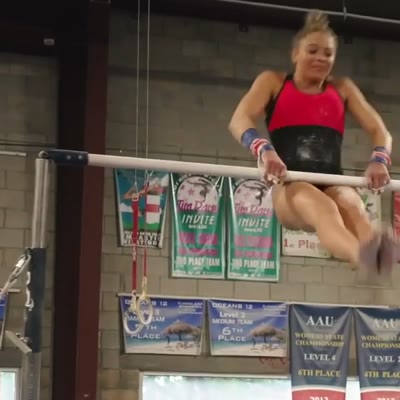
Helen, Emily's daughter, a Clemson gymnastics commit
“They gave her her life back. And I'll never forget that.”

WHEREVER YOU ARE: WHAT TO DO NOW

Before surgery

  1. Get the full picture from the surgeon.

    Understand what was torn, what the graft options look like, and the likely surgery timeline. Write your questions down. You won't remember them all in the moment.

  2. Ask about preparing before surgery.

    The research supports it: athletes who did extended prehab before surgery had better function, and more of them were back in their sport two years later (Failla et al., 2016). Ask the surgeon whether prehab makes sense for your athlete, and what it should include.

    Start here: get the right prehab info for your athlete
  3. Look after the mental side.

    Your child just lost something central to who they are. Acknowledge that before you rush to reassure.

  4. Look at your recovery options early.

    You'll choose better if you aren't doing it in a panic the week before surgery.

After surgery

  1. Keep doing the care they prescribed.

    Follow your surgeon's protocol and keep going to physical therapy. Anything you add should work alongside it, not instead of it.

  2. Look after the mental side.

    Underneath it all is the other question. Will I trust this knee again? Will I be the athlete I was? Make room for it.

  3. Ask about the neuromuscular side.

    Traditional PT trains the physical side of recovery. We train the neuromuscular side.

    See how The Elite System works
“After ACL surgery in March 2022 and many traditional physical therapy sessions, my daughter was still experiencing pain. The pain caused setbacks with her recovery... What an incredible experience. I wish we would have started earlier.”

WHAT TO ASK ANY RECOVERY PROGRAM

  • Can they explain, in plain words, what is happening with the quad?

  • Do you get one-on-one attention, or is the PT balancing other patients at the same time? Does your PT specialize in ACLs?

  • Will it work alongside your PT and your surgeon? The good ones say so.

  • Is there support for confidence and building mental resiliency, not only strength? Trusting the knee again matters as much as the knee.

  • Are they transparent, and do they set realistic expectations?

“...I watched my son transform the fear and anxiety into a clear vision of a successful future and extend that belief beyond athletics as he prepared for college and a career.”

HOW TO SUPPORT YOUR CHILD

Let them lead.

Make your wishes known to the medical team, but let your child own their recovery. It's normal to feel scared. Your athlete's brain is already protecting them, so they don't need more protection from you. If they're feeling confident, let them build on it.

Focus on daily wins.

The first successful shower. Getting into the car without help. One more degree of extension. Running a mile.

Don't compare timelines.

Every ACL tear and every body is different. How your athlete's nervous system responds to surgery is always an unknown. Focus on what you can control: putting in the work.

Take care of yourself.

You can't pour from an empty cup, and try not to pour your stress onto your child. Find your own support, too.

What parents tell us matters most.

  • Accountability.Someone other than you explains why the daily work matters, sets the expectations and helps your athlete follow through.
  • Mental support.Confidence and the emotional side of recovery are part of the work, not an afterthought.
  • Nutrition basics.General nutrition recommendations to support recovery. A specific nutrition plan comes from your athlete's medical team.
  • A safe return.Your athlete's goal season is what we train toward. When they return is decided by their surgeon, their physical therapist and their readiness.
  • One team.We work alongside your athlete's surgeon and physical therapist, not instead of them.
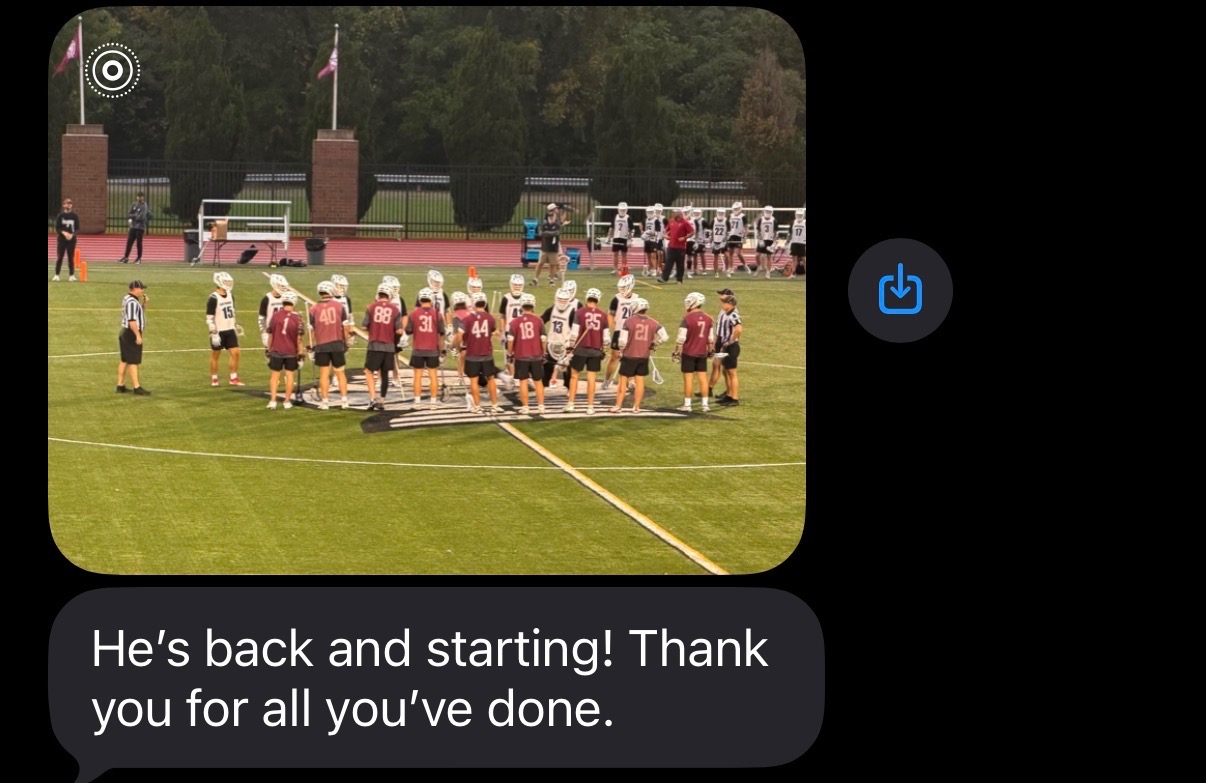
Evan’s messages

From Mom

Lacrosse players gathered at midfield
He’s back and starting! Thank you for all you’ve done.

From her son

Game just ended. I played great and played the first 4 quarters no pain in knee or anywhere. Got d player of the game also. Great feeling after a year out.

THE MOMENTS
THAT MATTER.

A mom. Her son.
Two messages to Evan after the game.

Real messages to Evan. Individual experience, results vary.

QUESTIONS PARENTS ASK

Elite ACL works alongside your PT. Our trainers work with your athlete in one-on-one virtual sessions, using the NS1, an FDA-cleared direct current electrical stimulation device.

How long does ACL recovery take?

Every athlete is different. Your surgeon sets the timeline, and your PT leads rehab and return-to-sport testing, so we recommend having a conversation with them. Regardless, we work alongside both to help reach your ACL milestones.

Does Elite ACL work remotely?

Yes. Sessions are typically virtual. They run 60 minutes and are one-on-one with an ACL recovery specialist from our team. The trainer teaches your son or daughter not only how to use the NS1 device during the call, in combination with active and passive techniques, but also ensures the highest level of confidence that the technology and programming can be followed on their own in between virtual sessions.

Can my child do this alongside their physical therapy?

Yes, absolutely. Our program is built to support and supplement your child's in-person PT. When the Elite program is combined with in-person PT, the clients cared for by Evan and the specialists he has trained report, on average, double the functional scores the research shows. At three months, they report scores not typically seen in the published research until around six months.*

*Based on client-reported outcomes from clients cared for by Evan and the specialists he has trained over the past decade. Each athlete's experience is individual. Outcomes vary and are not guaranteed.


“Evan has a calm and reassuring demeanor that was a great fit for our son to help him overcome some early mental and physical recovery challenges.”